

If you’ve ever felt guilty about letting go of unused items or gifts, you’re not alone. Guilt is one of the most common emotions that comes up during decluttering — especially for those who value thoughtfulness, resourcefulness, or sustainability.
This gentle guide explores why those feelings arise and offers ways to move through them, so you can create a calmer, more peaceful home that truly supports your wellbeing.
Remember — holding onto unnecessary things shouldn’t take priority over living in alignment with your values, vision, and goals. Keep in mind why you began (or want to begin) decluttering: to create space, time, and ease in your daily life.
Reframe the process as an act of care rather than loss. You’re not “getting rid of” things — you’re choosing to keep what you love, use, or need to create a home that supports the life you live now.
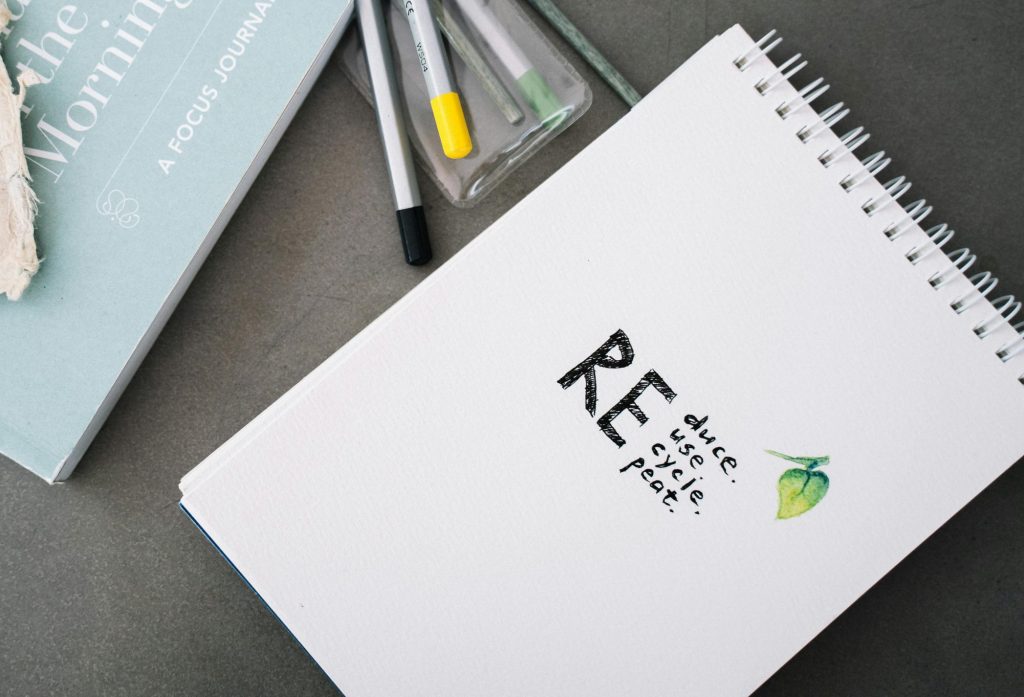
Decluttering Without Feeling Wasteful
Many of us hold onto things because it feels wasteful to let them go. That feeling is completely natural — especially if you’ve worked hard to afford something or were raised with the message to “make do and not waste.”
But there’s a quiet cost to keeping things out of guilt. The real waste isn’t in letting go — it’s in allowing items to sit hidden away, unused, and unappreciated. Those things could find new life with someone who truly needs or loves them.
When you notice yourself thinking, “Should I keep this?”, pause and gently ask:
- “Does this still support me or bring ease to my life?”
- “If someone else could use this right now, would I feel good about that?”
Letting go of what no longer serves you is an act of care — for yourself, your space, and your peace of mind. You’re creating a home that meets you where you are today, not where you used to be.

Letting Go of Expensive Items
“I can’t let go of that — it was too expensive.”
This is a common barrier to decluttering. But holding onto something because of its cost can weigh you down emotionally, serving as a daily reminder of money spent rather than value gained.
Here’s the truth: once money has been spent, it’s already gone — whether the item stays or goes. What matters now is whether the item adds value to your current life.
If you’ve been saving something for a “special occasion,” consider enjoying it today. Let the item finally fulfil its purpose. And if you know you won’t use it, it might be time to pass it on.
Practical ways to ease the guilt:
- Check for a refund, exchange, or resale option. You might recover some cost and find peace of mind.
- Donate with intention. Knowing your item will help someone else often brings relief.
- Reflect on what you’ve learned. Many people find that decluttering helps them become more mindful shoppers — understanding what truly brings lasting joy or usefulness.
The sooner you let go of unused items, the better. Most things lose value (and usefulness) over time — like an old phone sitting in a drawer or clothes that no longer fit your lifestyle. Letting them go creates room for what truly adds value to your life.

Handling Gifts Without Guilt
Gifts are given with kindness and care — but that doesn’t always mean they’re the right fit for you. If a gift doesn’t suit your taste or needs, you can still appreciate the thought behind it without keeping the physical item.
Once a gift has been given and received with gratitude, its purpose has been fulfilled. Letting it go doesn’t erase the sentiment — it simply allows someone else to benefit from it.
If you feel comfortable, you can have gentle, honest conversations with loved ones about gift-giving. Most people wouldn’t want their gifts to feel like a burden.
Sometimes a gift may surprise you — a board game might create new family memories, or a kitchen gadget might save you time. But if it’s clear the item isn’t for you, it’s okay to let it go.
Thoughtful ways to handle unwanted gifts:
- Return or exchange within the return period. Some stores may even offer a gift card if you don’t have a receipt.
- Donate to a local charity, community network, or online platform like Freecycle, OLIO, or Nextdoor.
- Regift mindfully — keeping a small “present box” for items that might suit someone else better.
- Sell on Vinted, Gumtree, or Facebook Marketplace.
Looking ahead, you can avoid future gift-related clutter by suggesting meaningful, clutter-free gifts — such as shared experiences, consumables, or time together. Most people are happy to save money and avoid waste when they know what you truly appreciate. Check out my blog, “A Sustainable and Clutter-Free Christmas,” for more ideas.
Once the festive season has passed, give yourself permission to release items that don’t serve you. Clearing space in your home is a wonderful way to share joy with others.
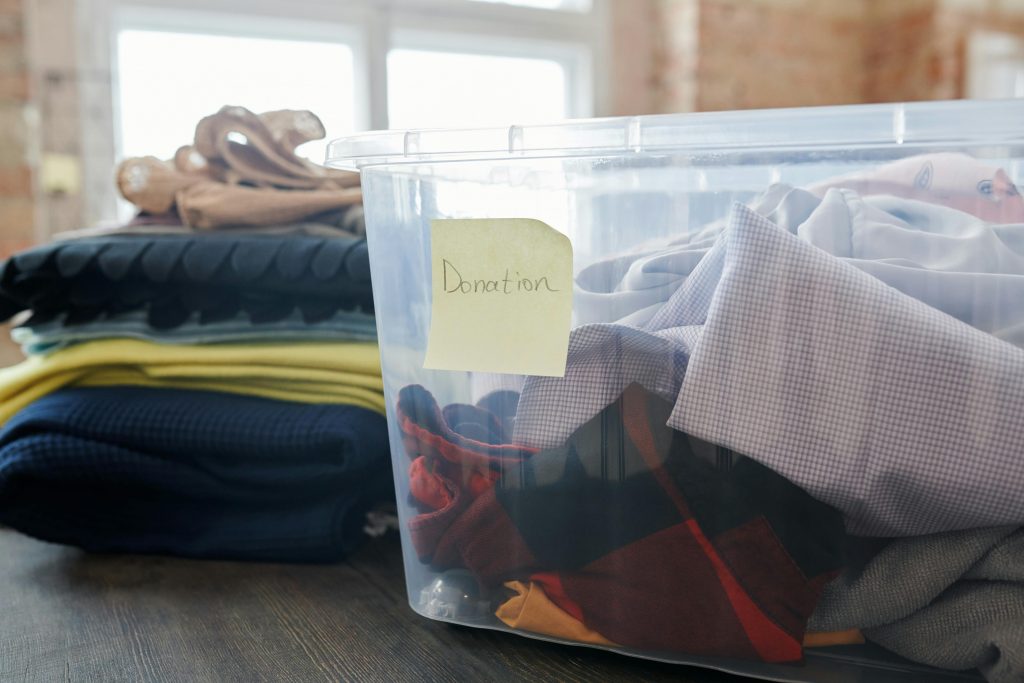
Managing Decluttering Regret: “What If I Need It Someday?”
Holding onto things “just in case” is one of the most common — and understandable — causes of clutter. It often comes from a place of wanting to feel safe and prepared.
But when “just in case” becomes the default, your home can start feeling heavy, cluttered, and full of decisions waiting to be made.
If you’re feeling hesitant, try asking yourself:
- When was the last time I used this?
- How likely am I to need it again?
- How easy or inexpensive would it be to replace if I really needed it?
- How valuable is the space it’s taking up compared to what I could do with that space instead?
If the item still supports your life, store it in a clearly labelled spot where you can find it easily. If not, let it go — trusting that you’ll be resourceful enough to handle future needs when they arise.

Letting Go of Sentimental Items
Sentimental items can be the hardest to part with. They connect us to loved ones, places, and memories that have shaped us. But over time, these keepsakes can accumulate, crowding out the present with the past.
You don’t need to keep everything to honour a memory. Instead, focus on choosing a few pieces that bring genuine comfort and joy. Display them where you can enjoy them daily — a small framed note, a photo, or a keepsake box.
If the items belonged to a loved one who has passed, remember: their memory lives in you, not in the objects. Keeping one or two meaningful items can be enough to honour them without overwhelming your space.
Creative ways to keep memories alive:
- Turn sentimental clothing into a quilt or cushion.
- Display small keepsakes in a shadow box.
- Create a “memory box” with a set limit — review it every year to see what still feels meaningful.
Moving Forward with Kindness
Letting go of guilt around decluttering is about more than tidying your home — it’s about releasing emotional weight and reconnecting with what truly matters to you.
When you donate, repurpose, or rehome items, you’re not losing — you’re creating flow. You’re giving those things a second life, helping others, and reclaiming your own sense of calm.
Release the guilt. Celebrate your progress. And remember — you deserve a home that feels calm, functional, and aligned with who you are today.
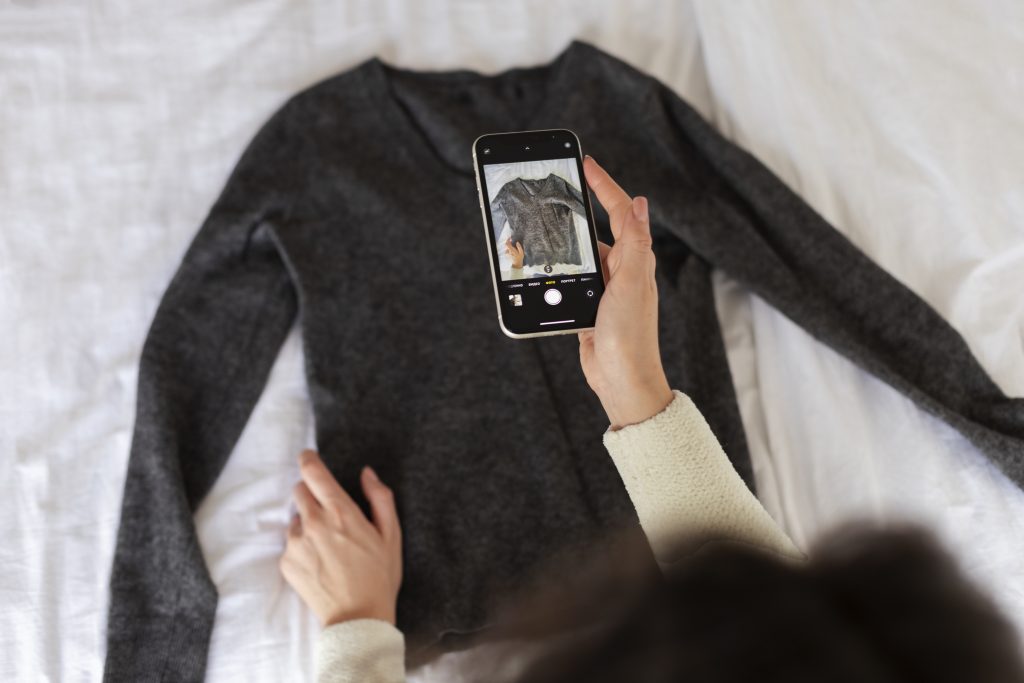
Next Steps for Letting Go
Before you begin, it helps to have a simple plan for where your unwanted items will go. Knowing this ahead of time reduces hesitation and makes follow-through easier.
You might choose to:
- Sell on Vinted, eBay, or Facebook Marketplace.
- Donate to a charity or community project.
- Regift thoughtfully to someone who will appreciate it.
- Recycle responsibly where possible.
Donating toys, clothes, and household items not only supports those in need but also spreads kindness and connection throughout your community.
Having a clear plan makes the process more intentional, gentle, and sustainable — helping you release items with confidence and care.
Every item you let go of creates space for more ease, joy, and calm in your home.
If you’d like gentle, supportive help on your decluttering journey, please get in touch. You don’t have to do this alone — compassionate decluttering is about small steps, self-kindness, and creating a home that supports you.